
Our Services
-

Counselling and Sandtray Therapy (Adolescents and Adults)
This combined service offers a flexible and personalised therapeutic approach for adolescents and adults. Counselling provides space for talk-based exploration, emotional support, and developing practical coping strategies, while Sandtray Therapy offers a gentle, creative way to express experiences that may be hard to put into words.
Using sand, symbols, and figurines, clients can explore their inner world in a safe, contained, and symbolic way. Sessions blend both approaches according to each person’s comfort, preferences, and therapeutic goals — creating a process that feels supportive, grounded, and deeply attuned to individual needs.
This integrated style of therapy can support anxiety, stress, grief, trauma, emotional overwhelm, life transitions, identity concerns, and relationship challenges, offering a meaningful pathway toward clarity, healing, and resilience.
-
Humanistic Play Therapy
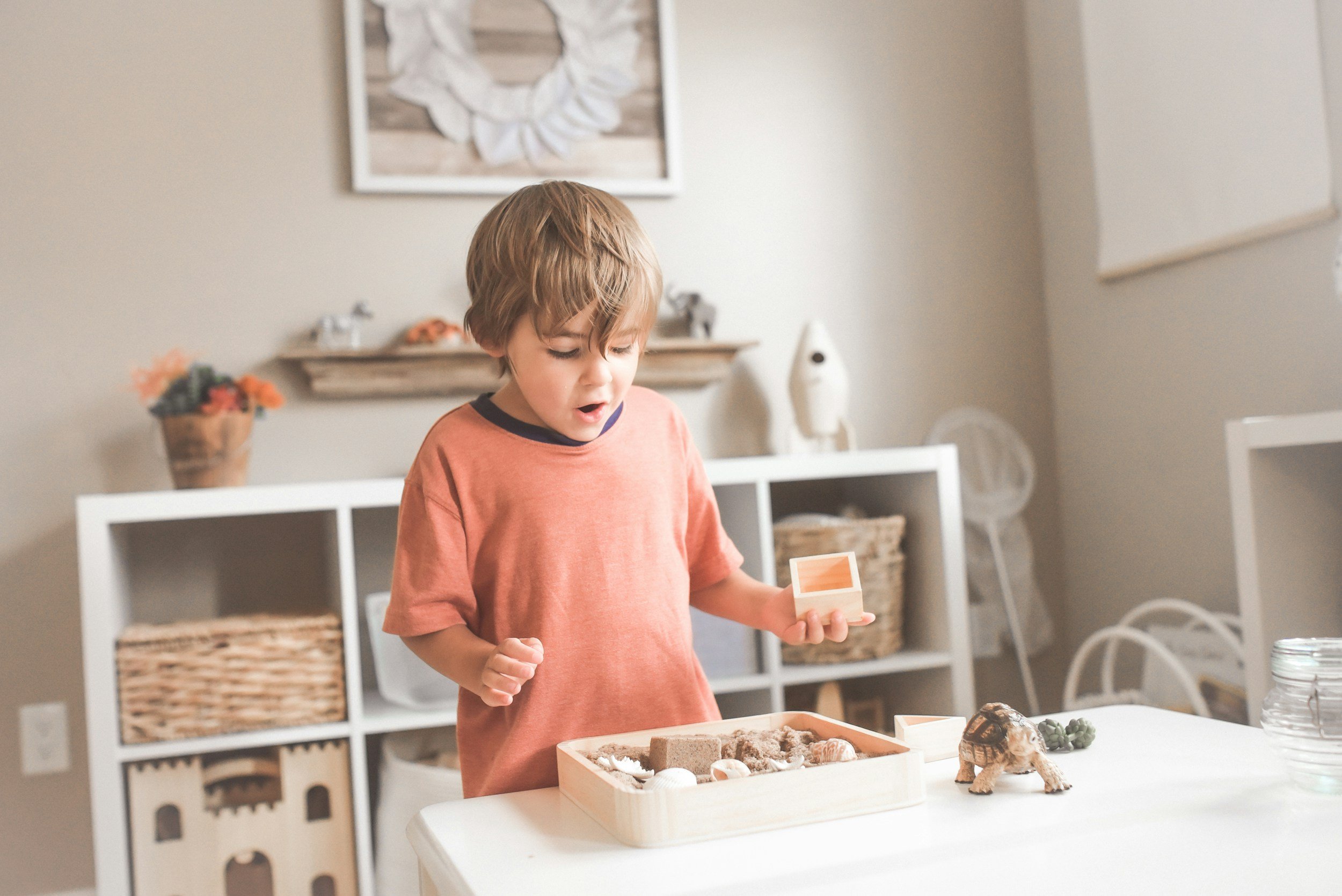
Play Therapy is the most developmentally appropriate form of psychotherapy for children. Because children naturally communicate through play rather than words, this approach meets them exactly where they are. Within a warm, nurturing, and non-directive therapeutic space, the child leads the way while the therapist provides consistent emotional presence, empathy, and acceptance.
Grounded in evidence-based, child-centred principles, Humanistic Play Therapy allows children to express their inner world safely and symbolically. Through the therapeutic play process, children strengthen emotional regulation, confidence, self-esteem, problem-solving skills, and resilience. This approach supports healing from trauma, anxiety, behavioural challenges, emotional overwhelm, attachment disruptions, and neurodivergent needs — all while honouring each child’s pace, autonomy, and developmental stage.
Best suited for ages 3 to 12 years old.
-
Filial Therapy and Parenting Support
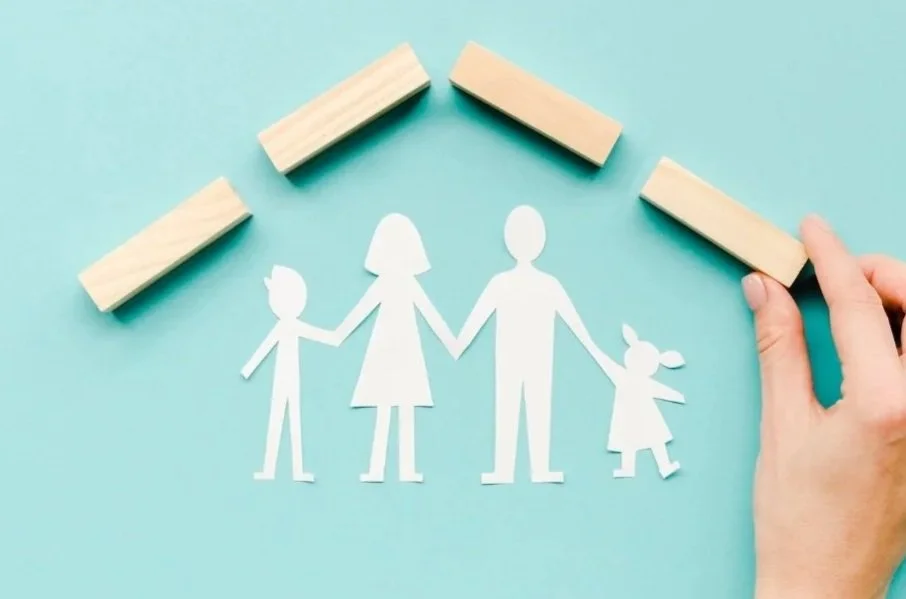
Filial (Family) Therapy is an evidence-based, relationship-focused approach that empowers parents and caregivers to become active partners in their child’s healing. Grounded in the best available science on attachment, neuroscience, and child development, this model strengthens the parent–child bond and supports long-term emotional wellbeing for the whole family.
Parents learn play-based therapeutic skills, reflective communication techniques, and ways to respond to their child’s emotions with confidence, empathy, and attunement. These tools help reduce challenging behaviours, increase connection, and create a calmer, more regulated home environment.
Parenting Support is tailored to your family’s unique needs and focuses on understanding your child’s development, nervous system, and relational patterns. Together, we explore what your child’s behaviours may be communicating, how to support co-regulation, and how to bring more safety and predictability into daily life.
This service also offers space to gently work through intergenerational patterns, trauma, and unresolved family dynamics, helping parents understand how their own experiences shape current relationships. With guidance and support, families learn healthier ways of relating, connecting, and responding — allowing you to become a genuine change agent in your child’s life and strengthening your family system from the inside out.